
Understanding the Odds
One of the most pervasive myths about gambling in casinos is the misunderstanding of odds. Many players often believe they can manipulate the odds in their favor through strategies or systems. However, casinos operate based on mathematical probabilities designed to ensure the house maintains an edge. This means that, over time, players can expect to lose money, regardless of the systems they might employ to increase their chances of winning. For those seeking to explore more about gaming experiences, anonymous casinos can offer unique opportunities that differ from traditional establishments. Understanding this fundamental principle is crucial for anyone engaging in casino gambling.
An example that illustrates this misconception is the belief that a winning streak is somehow due to a change in fortune or karma. In reality, games like slot machines and roulette operate using random number generators. This technology ensures that every spin or round is independent of previous ones. The randomness means that no amount of emotional or psychological strategies can influence the inherent odds of each game, reinforcing the notion that luck is the primary factor.
Moreover, the gambler’s fallacy contributes significantly to misunderstandings about odds. Players frequently assume that just because a specific outcome hasn’t occurred in a while, it’s more likely to happen next. This fallacy can lead to poor decision-making and misplaced confidence, as it suggests that intuition can rival established probabilities in a controlled environment like a casino. Recognizing the true nature of odds can help players make more informed choices and manage their expectations effectively.
The Impact of Alcohol Consumption
Another prominent myth is related to alcohol consumption while gambling. Many believe that having a drink or two can enhance their performance or luck when betting. While it’s common for casinos to offer complimentary drinks to keep players at the tables, the reality is that alcohol can significantly impair judgment and decision-making skills. Studies have shown that intoxicated individuals tend to make more impulsive bets, which often leads to higher losses and deeper financial trouble.
The social aspect of gambling, often fueled by alcohol, can create an environment where players feel invincible. This false sense of security can encourage them to make riskier bets, leading to significant financial losses. Instead of enhancing their experience, alcohol often clouds players’ judgment, creating barriers to recognizing when it’s time to walk away from the table. This illusion of control can have serious implications for responsible gambling.
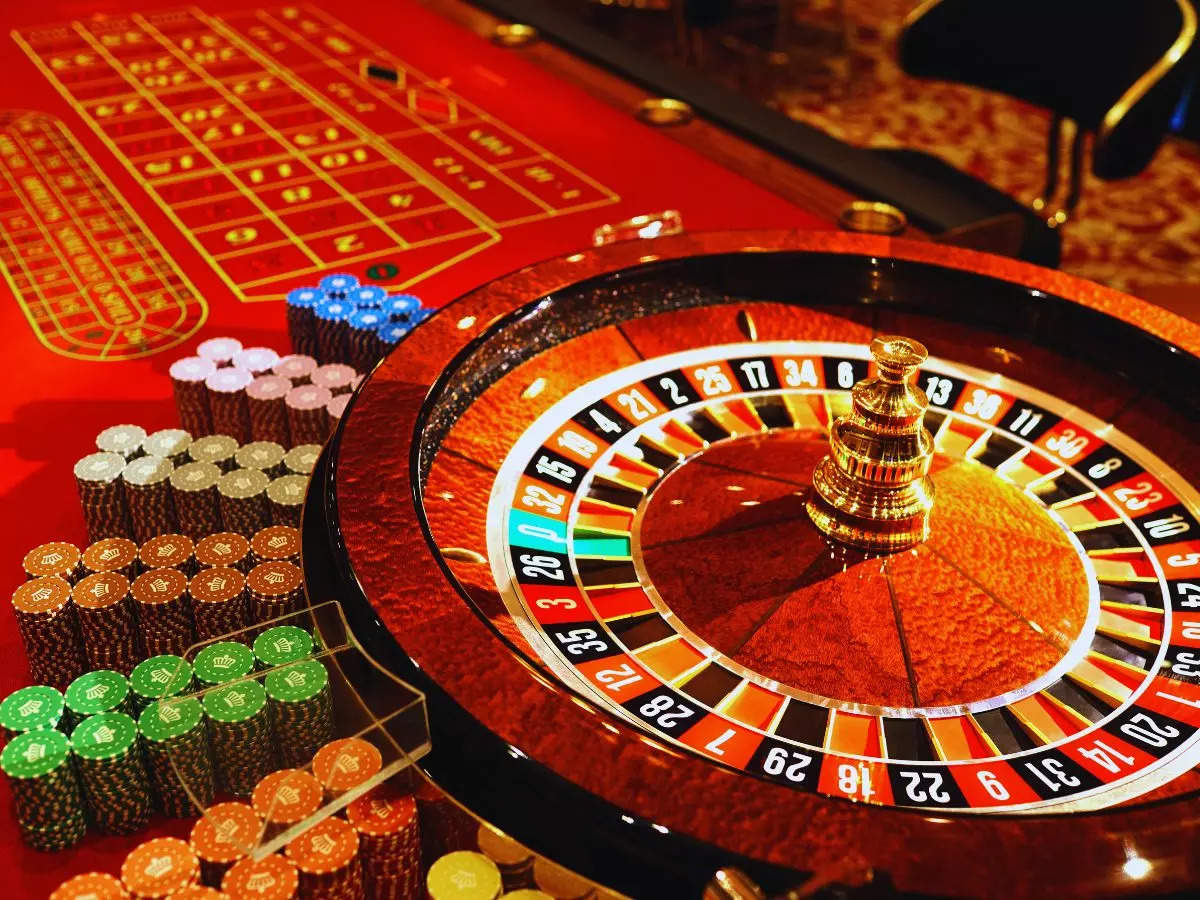
Additionally, while some may argue that alcohol adds to the fun of gambling, it can ultimately lead to harmful habits. The thrill of winning can be intoxicating in itself, but when paired with alcohol, players may find themselves chasing losses instead of enjoying the games. It’s crucial to remember that moderation is key, and understanding personal limits is vital to having a more enjoyable and responsible gambling experience. Establishing boundaries around alcohol consumption can help maintain a healthy relationship with gambling.
Winning Strategies and Systems
Many gamblers cling to the myth that specific strategies or systems can guarantee wins. Whether it’s counting cards in blackjack or employing betting patterns, players often believe that they can outsmart the casino. However, while certain strategies may help minimize losses or optimize winnings in the short term, none can overcome the fundamental house edge present in casino games. Understanding this reality is essential for maintaining a realistic perspective on gambling.
For instance, card counting in blackjack can provide a slight advantage when executed correctly but is not foolproof. Casinos are aware of these techniques and frequently implement countermeasures to deter them, such as shuffling the deck more often. Additionally, it’s important to note that even the best strategies can only improve odds marginally; they do not guarantee consistent winnings. This often leads to frustration among players who rely on these myths for success.
Moreover, the allure of complex betting systems, such as the Martingale system, can lead players to significant financial loss. The initial appeal of doubling one’s bet after a loss may seem logical, but this strategy does not account for the risk of hitting a losing streak that exceeds a player’s bankroll. Relying on such myths can often lead to disappointment rather than actual financial gain. Recognizing the limitations of these strategies can help players approach gambling with a clearer understanding of their potential outcomes.
The Notion of Skill-Based Games
Skill-based games, such as poker, often blur the lines between chance and strategy, leading many to believe that gambling solely relies on luck. While it’s true that skill plays an essential role in games like poker, where players can leverage their knowledge to outmaneuver opponents, this does not mean that luck is absent from the equation. The unpredictability of card draws and opponents’ moves can dramatically influence the outcome of a game, highlighting the dual nature of skill and chance.

Moreover, the misconception that one can always apply skill to ensure victories in skill-based games can lead to an overestimation of personal abilities. Even the most seasoned players encounter losing sessions where luck is simply not on their side. Understanding that while skill can provide an edge, it is not a guarantee of success is crucial for maintaining a healthy perspective on gambling. This balance between skill and chance can make the game more thrilling yet unpredictable.
In essence, while honing skills in games like poker can lead to better understanding and potential profitability, it is vital for players to recognize the role luck plays in each session. This acknowledgment can foster a more realistic approach to gambling, preventing the disappointment that arises from unrealistic expectations of constant success. Embracing both elements of skill and luck can ultimately lead to a more fulfilling gambling experience.
Exploring Responsible Gambling Resources
As the myths surrounding gambling continue to shape perceptions, it’s crucial to highlight the importance of responsible gambling practices. Many players are unaware of the resources available to help them navigate their gambling experiences. Responsible gambling organizations provide essential information and support, which can prevent the adverse effects of gambling addiction. These resources empower individuals to make informed choices about their gambling habits.
These organizations can guide individuals on setting limits, recognizing signs of problematic gambling behavior, and finding assistance when needed. By understanding the myths surrounding gambling, players can better equip themselves to engage in safer practices. Utilizing these resources can significantly enhance the gambling experience, making it more enjoyable and less destructive. Awareness of responsible gambling can lead to healthier interactions with games of chance.
Ultimately, acknowledging the realities of gambling can lead to a more balanced perspective. By separating myths from facts, players can approach their experiences with a healthier mindset, reducing the risk of financial losses and emotional distress. Many casinos and online platforms today actively promote responsible gaming initiatives, providing tools that encourage safe gambling habits and fostering a culture that prioritizes well-being. Engaging with these resources can transform gambling from a potentially harmful activity into a more enjoyable pastime.